Charges Filed Against Toronto Police Officer Following Fatal Shooting in Niagara Falls
In a significant legal development, Constable Andrew Lawson of the Toronto Police Service has been charged with manslaughter following a police shooting incident in Niagara Falls. The incident transpired on July 30, 2022, at a hotel where police were attempting to locate an individual accused of breaching parole conditions. During this operation, a 40-year-old man was shot by Lawson and later succumbed to his injuries in the hospital.
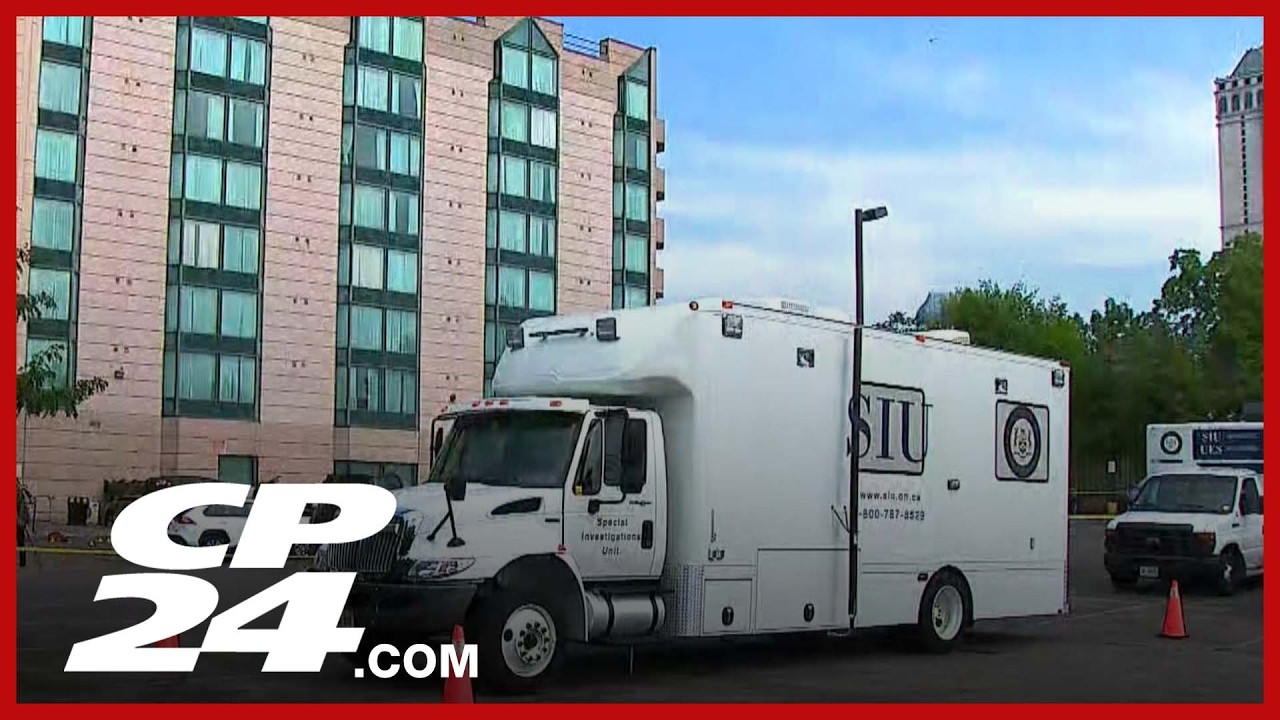
The Special Investigations Unit (SIU), which is responsible for overseeing investigations involving police conduct, announced the charges against Lawson, marking a pivotal moment in the ongoing scrutiny of law enforcement practices. Lawson, 52, has dedicated three decades of service to the Toronto Police and is currently suspended with pay while legal proceedings unfold. He has been released following his arrest, with a court appearance scheduled for next month.
The context surrounding this incident raises profound questions about the complex dynamics police face during confrontational situations. According to the Toronto Police Association President Clayton Campbell, this scenario involved a chaotic physical altercation that resulted in serious injuries to a police officer who intervened. Campbell emphasized that no officer enters a situation intending to use force, particularly lethal force, underscoring the unpredictable nature of police work.
This narrative reflects a broader discourse regarding the use of force by law enforcement agencies across Canada and beyond. Police officers often navigate dangerous and high-stress environments that can escalate quickly. The statement from Campbell suggests an understanding of this complexity, indicating that the events leading to the shooting will be meticulously examined in court. It asserts that police are trained to respond to threats, yet the repercussions of their actions can be dire.
The repercussions of such incidents extend beyond individual officers and can impact entire communities. The tragic outcome of this encounter contributes to ongoing discussions surrounding police accountability, transparency, and the necessity for reform in use-of-force policies. Each shooting incident presents an opportunity to question the protocols and training methods employed by law enforcement, as well as the systemic issues that may inform these volatile situations.
Public reaction to the case has underscored the societal desire for accountability in law enforcement. Many community members express a mix of outrage and demand for justice, reflecting broader anxieties about police interactions, particularly with marginalized populations. The SIU’s involvement signals an attempt to ensure an impartial investigation into the events that transpired that evening.
The legal proceedings that lie ahead will likely be intricate. Manslaughter charges can stem from acts deemed reckless or negligent, which complicate the traditional narrative of self-defense often associated with police shootings. This case will require the courts to balance the realities of police work against the rights of civilians. It will also test community trust in the justice system and its ability to hold law enforcement accountable for their actions.
As the arraignment approaches, the ramifications of this incident continue to unfold, sparking conversations about police conduct, community safety, and the ethical use of force. Questions linger: What could have been done differently? How should law enforcement agencies adapt their training to mitigate such violent outcomes? And ultimately, how can justice be effectively served?
The charge against Constable Lawson marks a critical intersection of law enforcement and community relations. It is a reminder of the imperative for accountability and transparency in policing. As society grapples with these issues, the forthcoming trial will likely echo far beyond the courtroom, further informing public discourse on the accountability of those sworn to protect and serve.